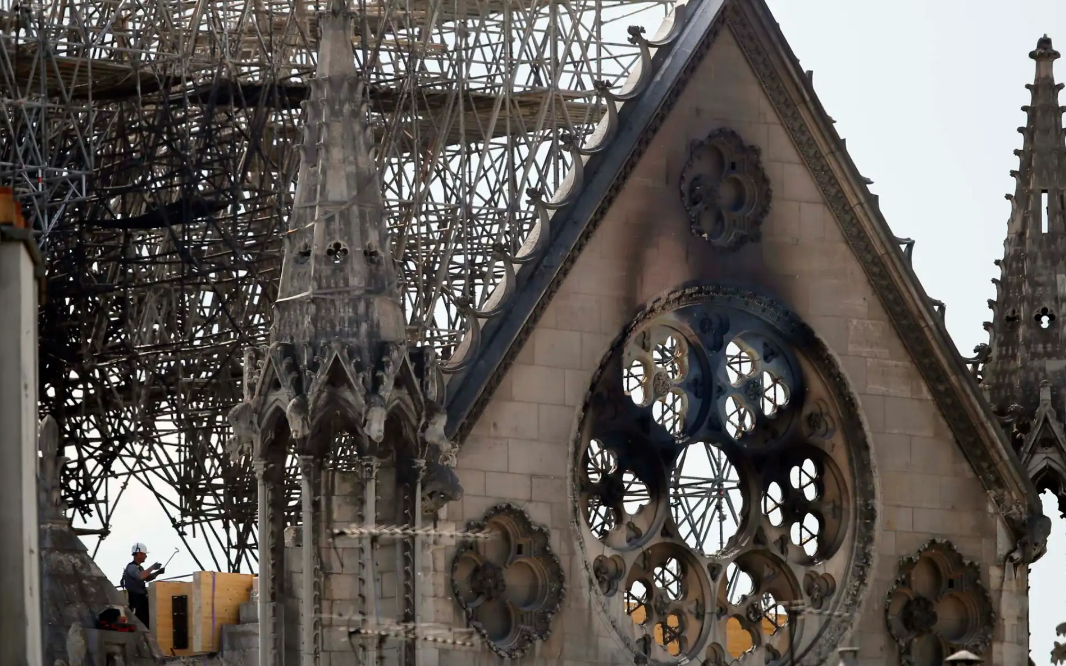
Hope arises at Notre Dame
“The greatest productions of architecture are not so much the work of individuals as of a community,” Hugo wrote. “Each wave of time leaves its coating of alluvium, each race deposits its layer on the monuments, each individual contributes his stone to it.”
Mystical Mutton
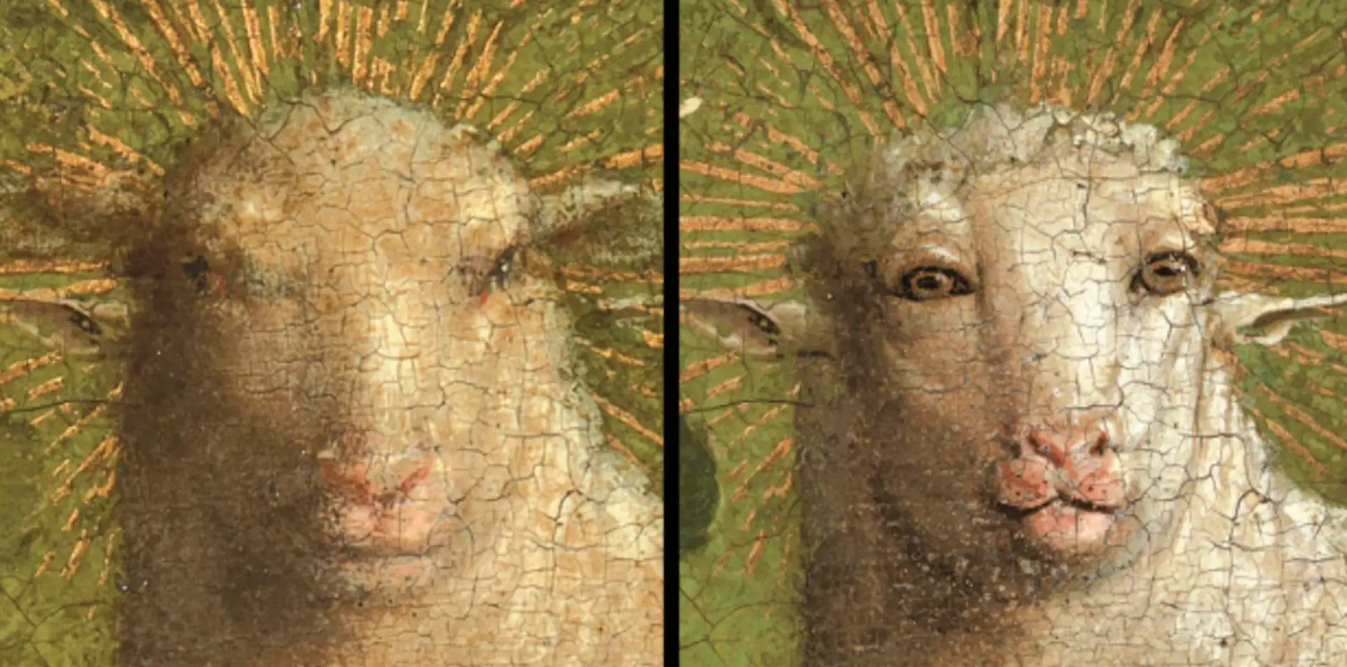
“Behold the Lamb of God who takes away the sins of the world.” John 1:29. It’s right there on the altar, in Latin: ECCE AGNUS DEI QUI TOLLIT PECCATA MUNDI. And above, on the right of the Deësis, Saint John the Baptist, identified by the camel-hair tunic and raised right hand, the preacher who pronounced these words and proclaimed that “this is the Son of God.” But it’s the lamb, itself, that is suddenly drawing the world’s attention — nearly 600 years after it was painted.
Review: Umberto Eco, ‘Numero Zero’
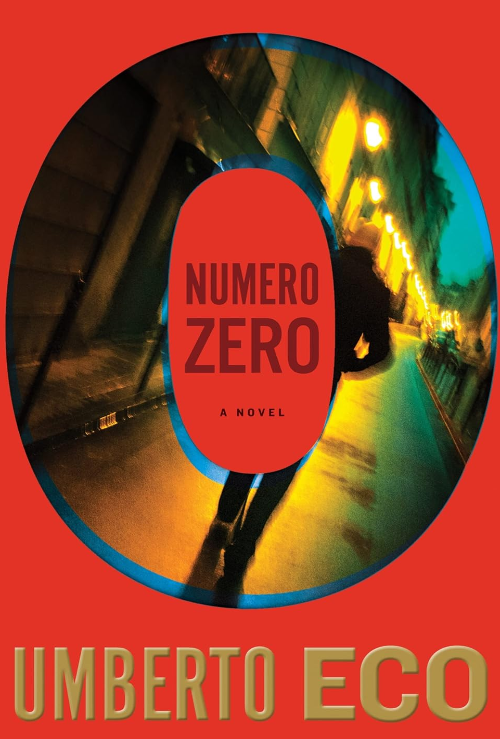
Eco hasn’t stopped teaching with Numero Zero. Rather, he continues—albeit through unlikely means—to communicate how best to read, how best to consume information. It’s not “what it says;” it’s “what it means.” Numero Zero is Colonna’s ghost-written book. Numero Zero is Domani. It is a single burst of Eco’s laughter, and if read correctly invites its readers to laugh alongside.

Back to the future in Myanmar
I can hear his downplayed, matter-of-fact way of speaking as I read his email. It’s the same voice that, slightly more than three years ago, calmly warned me that “there will be soldiers on the other side of the river; don’t look at them.”
Brazil Wraps Itself in Scolari’s Embrace Again
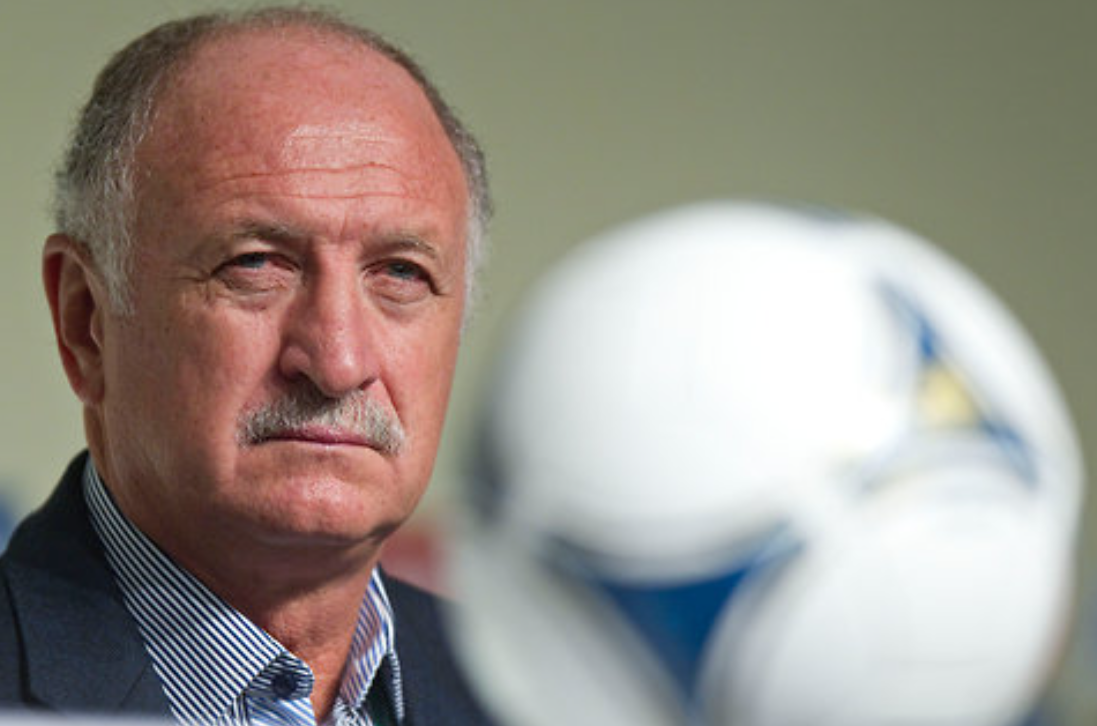
These accomplishments would seem to indicate a manager better suited to international soccer than the rigors of the club game, and Scolari’s preference for “managing” players rather than “coaching” them would attest to that as well. The Família Scolari isn’t about formations and strategies, but rather a sense of belonging and confidence in the unit.